Why Sarasota Summers Are Genuinely Dangerous for Pets
Let's be specific about what we're dealing with, because vague warnings about "hot weather" don't capture the reality of a Sarasota summer. From June through September, Sarasota's average daily high sits between 90°F and 93°F. Factor in the humidity — which regularly reaches 85–95% — and the heat index climbs to 100°F to 112°F on peak days. That's not just uncomfortable for dogs. It's potentially lethal without proper management.
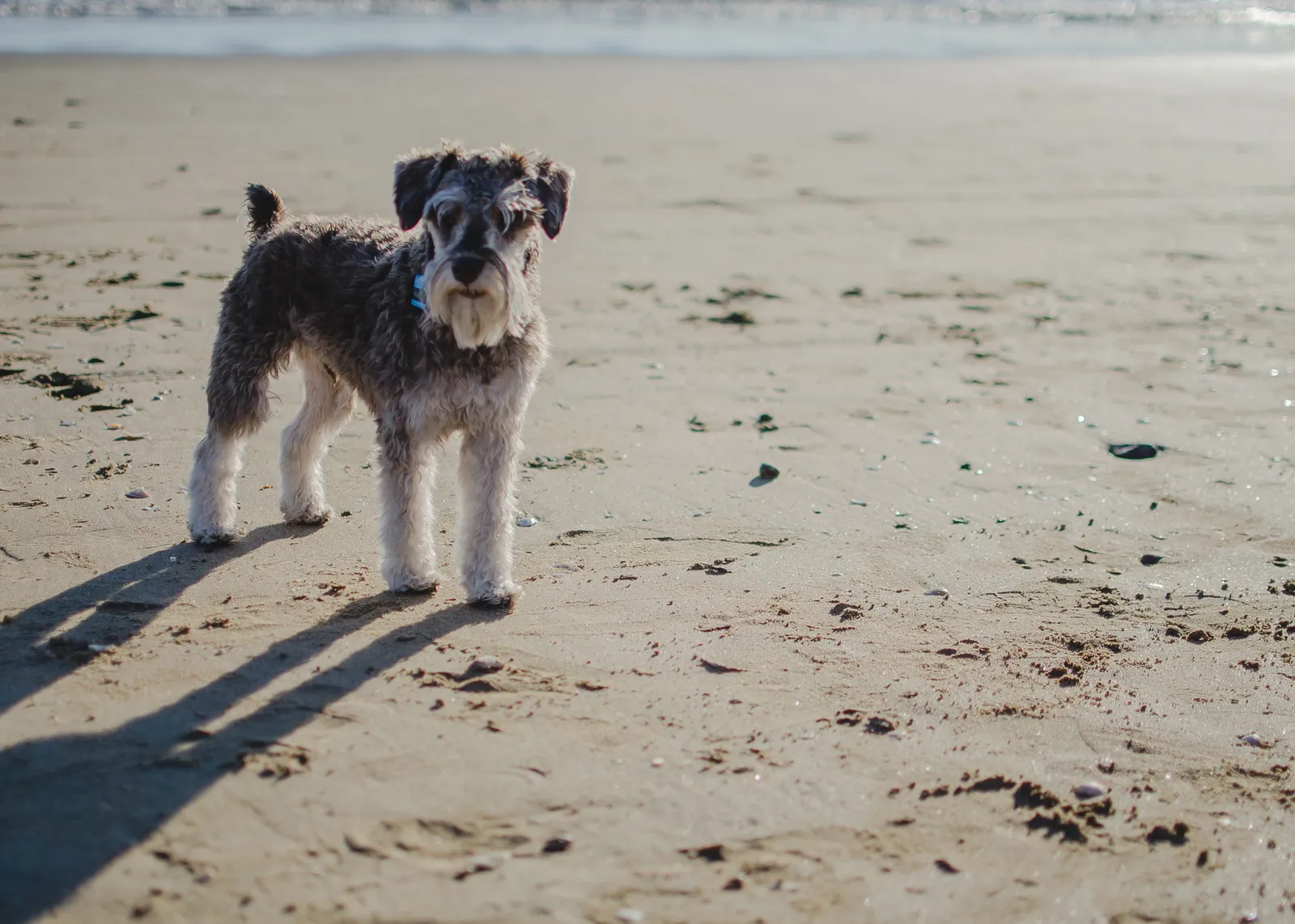
Ground temperatures add another layer of danger. Dark asphalt in direct Florida sun can reach 140°F to 160°F by mid-morning. Sand on our beautiful Siesta Key beaches can hit similar temperatures in the afternoon hours. Even concrete, which heats more slowly, can exceed 120°F by early afternoon. A dog walking on these surfaces without adequate shade and timing protection isn't just uncomfortable — they're accumulating paw pad damage with every step and absorbing radiant heat from below in addition to solar heat from above.
Dogs don't sweat the way humans do. Their primary cooling mechanism is panting — evaporating moisture from the tongue and airways. When ambient humidity is near saturation, as it frequently is in Sarasota summers, this evaporative cooling becomes dramatically less efficient. A dog in a 90°F, 90% humidity environment is working far harder to regulate its body temperature than the same dog in a 95°F, 30% humidity environment. Humidity is the silent multiplier that makes Sarasota's summers especially demanding.
10 Ways to Keep Your Dog Cool All Summer Long
These aren't generic tips copied from a national pet blog. These are the specific practices that work in Sarasota's Gulf Coast climate, refined through years of caring for dogs here year-round.
Where You Walk Matters as Much as When
Timing is only half of a safe summer walk; the surface under your dog's feet is the other half. In direct afternoon sun, Florida pavement routinely runs 40–60 degrees hotter than the air around it, so an ordinary 90°F day can leave a sidewalk hot enough to blister paw pads. Grass, mulch and shaded dirt paths stay far cooler, which is why we plan summer routes around them rather than the shortest loop on the block.
Use the same back-of-the-hand test from tip 1 on whatever surface you're about to cross. If you can't comfortably keep your hand there, your dog shouldn't be walking on it. Pad burns are easy to miss in the moment. Often the first clue comes hours later, when your dog starts limping or licking at their feet, so check pads after any walk that crossed sunny pavement.
The other trap is the midday gap. When work keeps you out from mid-morning until evening, the safe early and late walk windows fall outside your day, and your dog waits through the hottest hours for a break. A midday drop-in visit covers that stretch with a quick potty break on a shaded patch of grass, fresh water and a check that the AC is running.
Shaded Places to Walk Your Dog Around Sarasota
Some local spots handle July far better than others. These are the ones with real tree cover or a way for your dog to cool off:
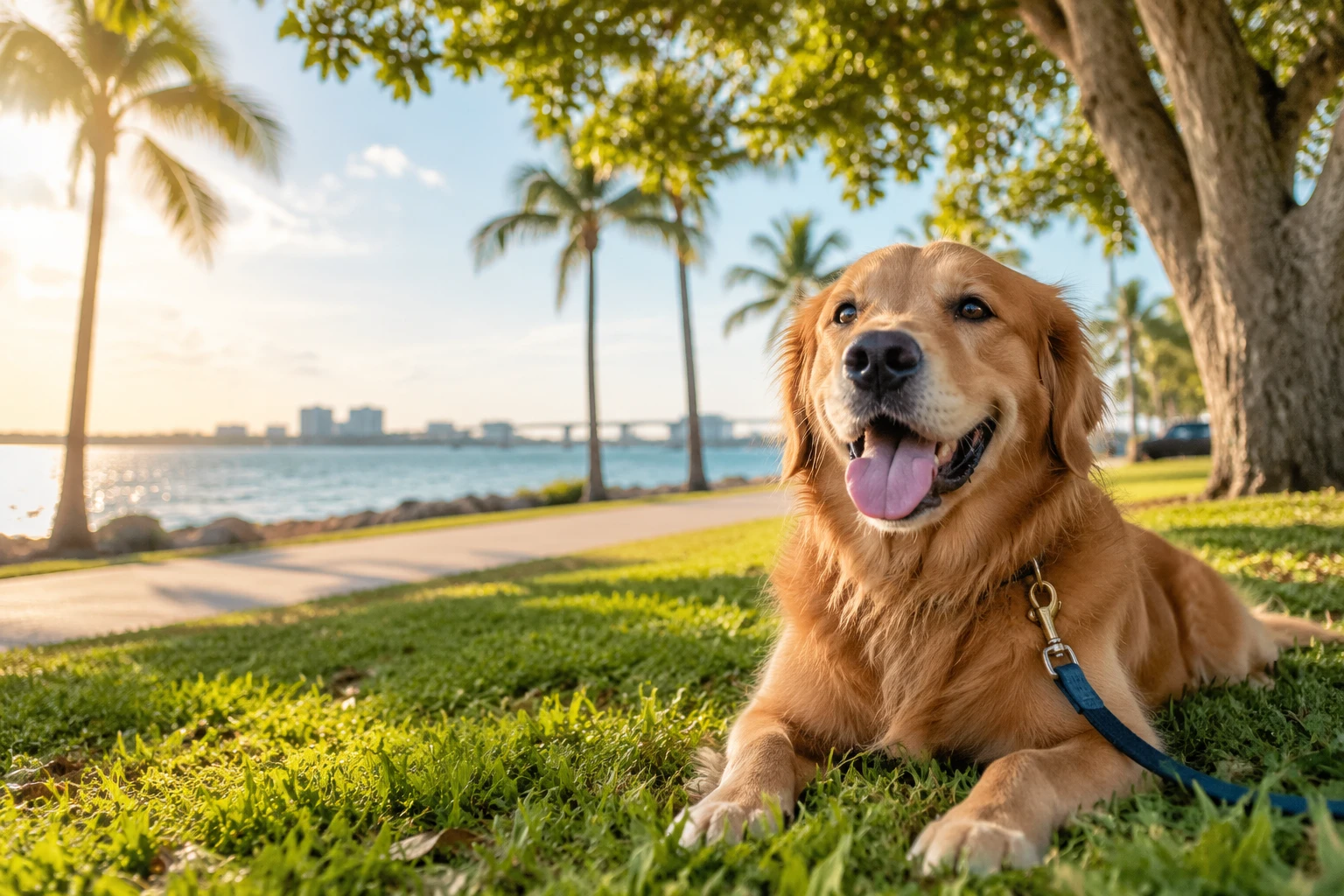
- Lakeview Paw Park (7150 Lago St) — an off-leash park with genuine shade, benches, picnic tables and a dog drinking station, which makes it one of the more comfortable choices in the area on a hot day.
- Arlington Paw Park — a fenced, partly shaded park near Sarasota Memorial with hoses and dog pools for cooling down between laps.
- Jelks Preserve (Venice) — quiet trails along the Myakka River with plenty of tree canopy. Pack water and keep an eye out for wildlife.
The Legacy Trail and Venetian Waterway Park are lovely, but their long paved stretches have little shade and soak up heat quickly. In summer, treat them as early-morning-only routes and leave them off your afternoon plans entirely.
Never, Ever Leave Your Dog in a Parked Car
This point deserves its own section because it continues to claim dog lives every Florida summer, including in the Sarasota area. The numbers are stark: on an 85°F day, the interior of a parked car reaches 102°F within 10 minutes. After 30 minutes, it reaches 120°F. On a 90°F Sarasota summer day — which is a perfectly ordinary Tuesday — the interior can exceed 130°F within ten minutes, even with the windows cracked.
At 107°F, a dog's body temperature enters the critical danger zone for organ damage. At 109°F, they can die. This can happen in the time it takes to run into a Publix for a few groceries. There is no safe amount of time to leave a dog in a parked car during a Sarasota summer — not for five minutes, not with the windows cracked, not in the shade of a parking structure. If your dog is with you, either bring them inside (where permitted) or leave them home in air conditioning.
Breed-Specific Considerations
Not all dogs face equal risk in Sarasota's summer heat. Understanding your dog's specific vulnerability helps you calibrate safety measures appropriately.
Brachycephalic (Flat-Faced) Breeds
French Bulldogs, English Bulldogs, Pugs, Boston Terriers, Shih Tzus, Pekingese, and Boxers have significantly compromised respiratory anatomy. Their shortened airways make panting — already less efficient in high humidity — even harder. These breeds overheat faster than other dogs, show distress sooner, and have less ability to recover once overheated. In Sarasota summers, brachycephalic breeds should have the most conservative walk schedules (10–12 minutes maximum, before 8 a.m. only), the coolest indoor environments, and the most vigilant owner monitoring. Any respiratory distress warrants an immediate veterinary call.
Senior Dogs (7+ Years)
Older dogs often have reduced cardiovascular efficiency, compromised kidney function, and less effective thermoregulation. Many are also on medications that can affect heat tolerance. Senior dogs may not show distress as obviously or as early as younger dogs — they can go from seemingly fine to in serious trouble more quickly. Monitor your senior dog closely during all warm-weather outings and keep walks even shorter than the general summer guidelines recommend.
Overweight Dogs
Excess body fat is both an insulator that traps heat and a metabolic burden that generates more heat during activity. An overweight dog is at meaningfully higher risk in Sarasota summers, and summer is not the time to start an aggressive exercise program to address the weight — that's a fall and winter project. Focus on safe, minimal outdoor exercise during summer and talk to your vet about a weight management plan for the cooler months.
Dark-Coated Dogs
Black, dark brown, and dark-coated dogs absorb significantly more solar radiation than light-coated dogs. In direct Florida sun, this matters. Keep dark-coated dogs in shade when outdoors and be even more conservative about early morning walk timing.
Warning Signs of Heatstroke — and What to Do
- Early signs: excessive heavy panting; thick or ropy drooling; bright red gums or tongue; unusual lethargy or reluctance to move; seeking shade or lying down suddenly during a walk
- Serious signs requiring emergency care: vomiting or diarrhea; pale, white, gray, or bluish gums; glazed or unfocused eyes; stumbling, loss of coordination; collapse; seizures or loss of consciousness
Immediate Action Steps
- Get the dog out of the heat immediately. Move to air conditioning or deep shade. If needed, carry them — do not make them walk.
- Offer small amounts of cool water. Do not force drinking. Cool water, not cold or ice water.
- Apply cool, wet cloths to the neck, armpits, and inner thighs. These areas have major blood vessels close to the surface. Cooling them cools the blood circulating through the body.
- Do not use ice or ice water. This causes peripheral blood vessels to constrict, trapping heat in the body's core. It can worsen the situation dramatically.
- Call your veterinarian or an emergency clinic immediately. Heatstroke causes organ damage that may not be visible externally. Even a dog that appears to recover quickly should be evaluated by a vet.
- Transport with maximum AC and keep the dog as calm as possible during the drive.
A Note on Cats in Sarasota Summer Heat
While dogs are at higher acute risk during outdoor activity, cats face their own summer challenges — particularly indoor cats in homes without reliable air conditioning, and any cat that has outdoor access. Cats are more stoic about showing distress than dogs, which can make heatstroke harder to catch early. Ensure indoor cats have multiple fresh water sources throughout the home, access to the coolest rooms, and are checked on regularly during Sarasota's intense summer heat. Outdoor cats should ideally be kept indoors during peak hours, and any outdoor shelters should be in full shade with ventilation. If you're travelling during the hot months, our in-home cat care in Sarasota includes checking water, cooling and how your cat is coping at every visit.
Planning for Summer Days When You're Not Home
The riskiest summer hours for pets are often the ones when no one is home. A little planning covers the gaps:
- Back up your cooling. Set the thermostat no higher than about 80°F, and consider a smart thermostat or temperature sensor that alerts your phone if the A/C fails.
- Plan for power outages. Afternoon thunderstorms knock out power regularly. Give a neighbor a key and ask them to check on your pets if the power is out for more than an hour.
- Leave more water than you think. Put out several bowls in different rooms, or a fountain, in case one is tipped over.
- Skip the midday walk. A dog left home all day still needs a break, but in summer it should be a short potty trip in the shade — not a full walk. If you can't get home, a midday drop-in visit covers it.
- Know your dog's risk level. Brachycephalic breeds, seniors, overweight dogs and dogs on certain medications overheat faster and need closer watching.