How Pet Ownership Has Changed
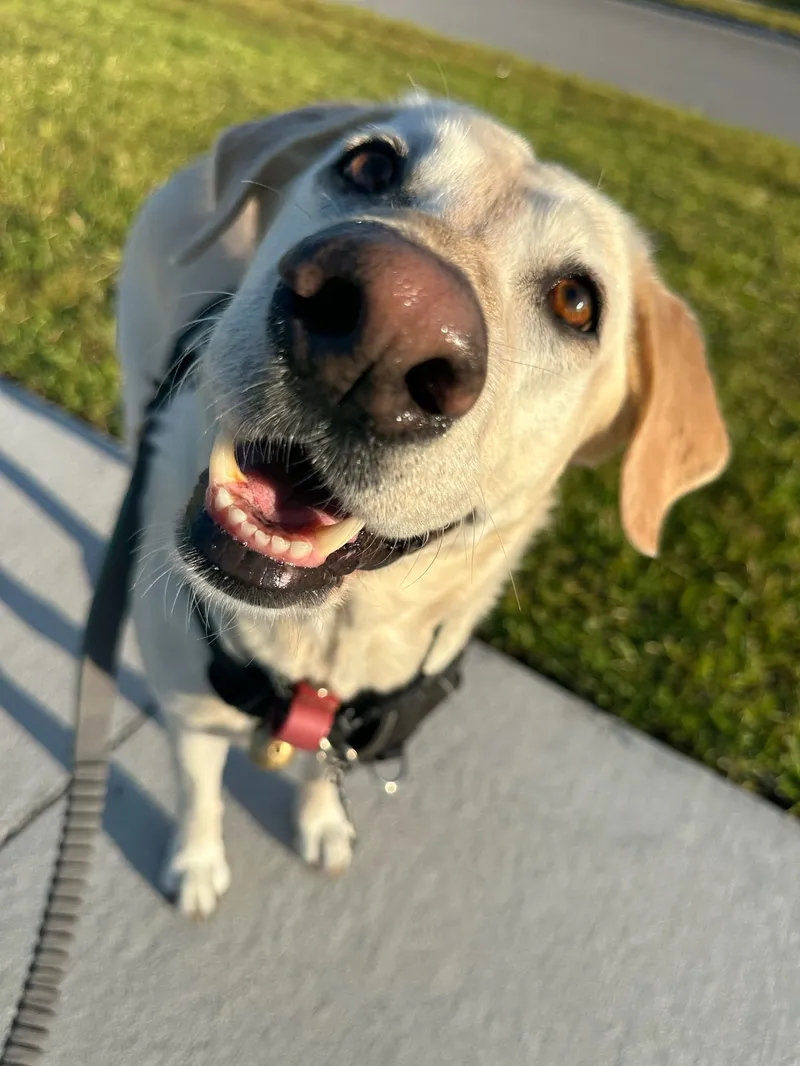
Twenty years ago, the word most commonly used to describe a person's relationship to an animal was "owner." Today, the word you'll hear — in veterinarian offices, in pet care communities, and in the marketing of every major pet brand — is "parent." That shift in language isn't trivial. It reflects a fundamental change in how millions of Americans understand and act on their relationships with their pets.
Dogs sleep in beds. They appear in holiday cards. They have Instagram accounts. They come to the office, to outdoor restaurants, to therapy sessions. They attend weddings — sometimes as official participants in the ceremony. The emotional bond between people and their pets has deepened significantly, and with that depth has come a corresponding shift in financial investment, care standards, and expectations for the professionals trusted to look after them.
This isn't a trend confined to a demographic segment. Pet ownership across all age groups has grown, and the cultural centrality of pets — particularly dogs — has never been higher. That reality has reshaped an entire industry from the ground up.
The Rise of the Pet Economy
Americans now spend well over a hundred billion dollars annually on their pets — on food, veterinary care, grooming, boarding, accessories, insurance, and professional services like dog walking and pet sitting. That figure has grown dramatically over the past two decades and continues to climb, even during economic contractions that cause spending to tighten in other categories.
What does that economic scale mean for professional pet care? It means the bar for quality has risen. When owners are investing meaningfully in their animal's food, healthcare, and wellbeing, they extend that same standard of care to the professionals they hire. A background check, a verifiable certification, a professional scheduling system, photo updates during every visit — these are no longer premium features. They're baseline expectations in a market where pet care has become a genuine profession, not a side job.
The elevated financial investment in pets also reflects a shift in how people think about return on investment. For most pet owners today, quality care for their animal isn't a discretionary luxury to be bargained down. It's a non-negotiable commitment — which means the professionals who can consistently deliver on that commitment have an increasingly important role to play.
Technology Transforming Pet Care
The technology layer that has been added to professional pet care over the past several years has been genuinely significant — and it's changed both what owners receive and what professionals are expected to deliver.
GPS Walk Tracking
GPS walk tracking allows owners to see exactly where their dog walked, which route was taken, how long the walk lasted, and how much active time the dog accumulated. For an owner who has hired someone they've never met to walk their dog while they're at work, that data provides meaningful reassurance — and holds the professional to a clear, verifiable standard of service delivery.
Photo and Video Updates
Real-time photo and video updates during every visit have become standard in professional pet care. A midday photo of your dog looking relaxed and well-exercised tells you in a single glance more than any written report could. It also creates a visible, ongoing record of care quality — a form of transparency that owners have come to expect and that professionals with genuine pride in their work are happy to provide.
Digital Visit Reports
At the end of a visit, professional caregivers using modern platforms can send a structured digital report covering appetite, bathroom activity, behavior observations, and any notes of concern. These reports are stored, searchable, and shareable with a veterinarian if needed. Over time, they build a detailed behavioral history that can be genuinely useful in tracking changes in an animal's condition or habits.
Professional Scheduling Platforms
Platforms like Time To Pet — which Wiggle Your Tail uses for all client scheduling and communication — bring the full service experience into a single professional interface. Owners can request visits, view upcoming schedules, message their caregiver, make secure payments, and access visit history from a single app. The days of handwritten schedules, unclear text confirmations, and cash payments in envelopes are behind us — and that professionalization benefits everyone involved.
What Pet Parents Expect Now — vs. Ten Years Ago
- A neighbor or recommendation from a friend
- A text or call to confirm the visit happened
- Maybe a photo, if you thought to ask
- Cash payment and a verbal agreement
- Assumed basic competence with animals
- No formal vetting or credentials expected
- Verifiable credentials and references
- Real-time GPS tracking and photo updates
- Digital visit reports every single time
- Bonded, insured, and Pet CPR certified
- Consistent caregiver — not a rotating stranger
- Professional scheduling and communication app
The gap between what was expected ten years ago and what is expected today is substantial — and reflects a genuine maturation of the industry. Owners who have invested deeply in their pet's wellbeing across every dimension of care are not willing to accept lower standards from the professionals they hire. Nor should they be.
The Gig Economy vs. Dedicated Local Professionals
The arrival of app-based pet care platforms — most visibly Rover — changed the industry's visibility dramatically. They made it easy for any pet owner to search for services in their area, see reviews, and book quickly. For an industry that had been largely word-of-mouth, that discovery layer was genuinely useful.
But the gig economy model comes with structural limitations that matter when you're trusting someone with a living animal in your home:
- Inconsistency: Marketplace platforms connect you with whoever is available — not necessarily the same person each time. For dogs who thrive on routine and familiar relationships, that inconsistency has real behavioral consequences.
- Variable vetting: The degree of vetting on most gig platforms is limited. Background checks may be basic. There is typically no verification of animal care training, Pet CPR certification, or professional experience.
- No accountability structure: When something goes wrong — and in pet care, it occasionally does — a marketplace transaction offers limited recourse. A dedicated local business operates with its reputation fully on the line, every single day.
- No genuine relationship: A caregiver who sees your dog twice a month through a marketplace doesn't know your dog. A dedicated professional who has been visiting weekly for two years does — and that knowledge matters when something is off.
None of this is a criticism of individual people who work through those platforms. Many are excellent caregivers. But the structural model is built around transaction volume, not relationship depth — and those are different things.
Wellness-First Pet Care
One of the most meaningful shifts in professional pet care over the past several years is the move from a "keeping the pet safe" baseline to a genuine wellness framework. The question is no longer just "did the dog eat and go to the bathroom?" — it's "how was the dog's energy level today? Did they seem anxious or content? Were they interested in their environment? Did their behavior seem consistent with their baseline?"
This wellness-first approach has several practical dimensions:
- Mental stimulation: A dog who sits alone for eight hours is not a well-cared-for dog, even if their physical needs are technically met. Professional caregivers increasingly understand that engagement, enrichment, and interaction are as important as food and bathroom breaks.
- Behavioral awareness: A professional caregiver who notices early signs of anxiety, changes in appetite, or unusual behavior and reports them to the owner is providing genuine value beyond the physical act of a visit. That observational role can catch health issues early and prevent behavioral problems from escalating.
- Breed-specific care: Different breeds have genuinely different needs. A Border Collie and a Basset Hound require different approaches to exercise, stimulation, and interaction. A professional caregiver who understands those differences provides better care — full stop.
The wellness conversation in pet care mirrors what has happened in human healthcare: a shift from reactive treatment to proactive wellbeing. The best pet care professionals are ahead of that curve.
What Will Never Change
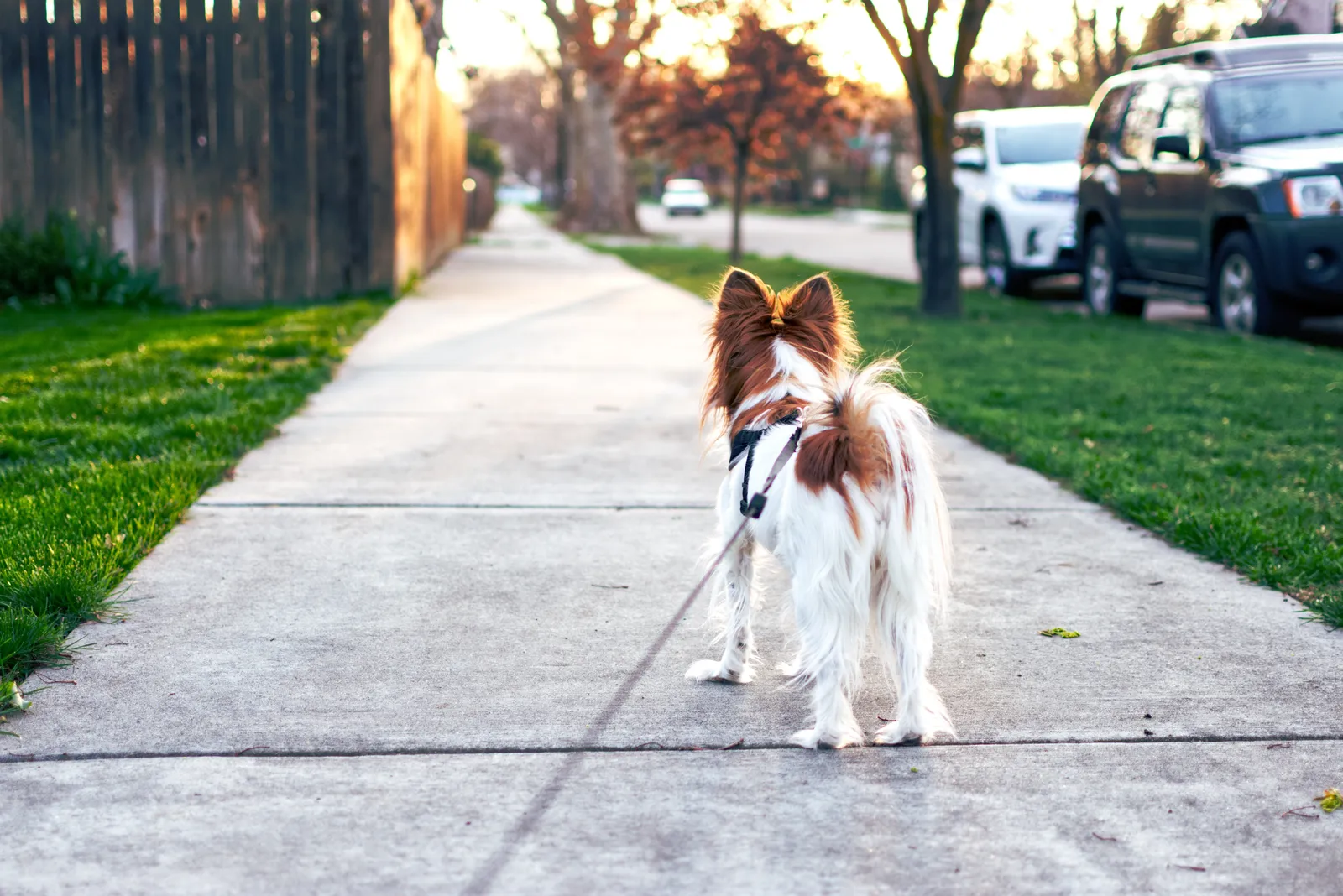
For all the genuine transformation that technology, economics, and shifting cultural norms have brought to professional pet care, certain things remain stubbornly, beautifully constant.
Trust. No app, no algorithm, and no amount of GPS data can manufacture the trust that comes from a consistent professional relationship built over months and years. When you hand your door code to someone and leave for a week, you're not trusting a platform. You're trusting a person.
Consistency. Dogs thrive on predictability. They know their walker's routine before the door opens. They're calmer with a familiar person. The relationship between a dog and a caregiver who has spent hundreds of hours together is not something that can be replicated by a new person booking through a marketplace.
Genuine attention. A caregiver who genuinely cares about the animals in their charge notices things. They notice when a dog is off. They notice when an anxious dog is finally starting to relax around them. They notice that this particular dog needs five minutes to settle before a walk becomes enjoyable. That kind of attention is irreplaceable, and no technology substitutes for it.
The relationship itself. Ask any long-term pet care client what they value most, and you will rarely hear them mention the app or the GPS report. They'll tell you about the person — the one who sends a perfect photo every visit, who remembers their dog's favorite route, who texted to say everything was fine when a storm rolled through. That's the heart of this work, and it doesn't change.
What This Means in Sarasota — and at Wiggle Your Tail
Sarasota's pet owner community reflects every trend described above. The city has a growing population of engaged, financially committed pet parents who expect professional-grade care that matches what they invest across every other dimension of their pet's life. The demand for accountable, credentialed, transparent local pet care providers is real — and it's growing.
At Wiggle Your Tail Pet Care, I've built the business around every principle this article describes. I use Time To Pet for all scheduling, communication, and visit reporting. I send photo and GPS updates on every walk. I maintain current Pet CPR certification and operate fully bonded and insured. I have worked with the same families and the same dogs over multiple years — and I know those dogs as individuals, not as bookings.
That combination of professional infrastructure and genuine personal relationship is what the future of pet care looks like. It's not a choice between technology and humanity — it's both, working together in service of the animal.
If you're looking for that level of care in Sarasota, Siesta Key, Bradenton, Lakewood Ranch, or Longboat Key, I'd love to meet your pet. Reach out to schedule a free meet and greet — there's never any obligation, and it's the right place to start.